Roblox Avatars and Faces: Why Your Kid Cares So Much
Your kid cares about their virtual character because it is their actual digital identity. Here is why outfits matter, the drama over 3D faces, and how to keep it safe.
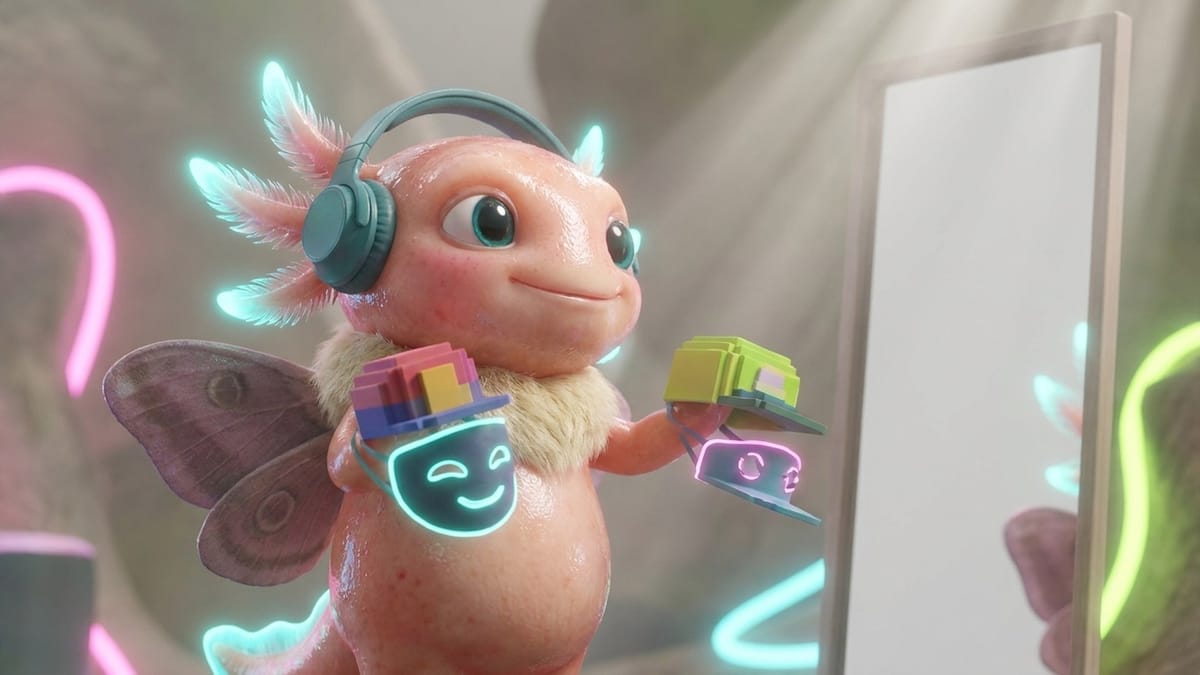
Your kid cares so much about their roblox avatar because, for this generation, that blocky little character is their actual digital identity and primary way of expressing themselves. It is not just a game piece; it is how they socialize, show off their personal style, and feel confident in a virtual world.
When we were growing up, our digital presence was usually limited to three initials on a high score screen or a generic pixelated character we could not change. Today, things are fundamentally different. I get how baffling this modern obsession can seem. You buy them a nice new shirt for school, and they just shrug. But give them a few digital coins to buy a new virtual hat, and they absolutely lose their minds.
Understanding this shift is key to understanding modern digital play. Let us look at the psychology behind these characters, the recent community drama over digital faces, and how to keep it all safe for our kids. If you need a refresher on the words they use while playing, keep our Gen Alpha slang and brainrot dictionary handy.
More Than Just a Character: The Psychology of the Avatar
The platform is a massive online space hosting millions of user-created games where players interact using a highly customizable digital character.1 To us adults, these characters often look like clunky, awkward block people. To our kids, they are everything.
Psychological research shows that for Generation Z and Gen Alpha, avatars are not just game characters but serve as a primary medium for digital identity and authentic self-expression.2 In a 2023 Roblox survey of Gen Z users aged 14 to 26 in the US and UK, 56 percent said styling their digital character matters more to them than styling themselves in the physical world.3
When kids play with an avatar that closely matches an idealized version of their self-concept, it significantly enhances their overall game enjoyment.4 Extending psychological frameworks to this specific platform shows that avatar usage is heavily driven by social influence, self-efficacy, and digital identity formation.5 It is essentially the modern equivalent of picking out the perfect first-day-of-school outfit, just happening in a virtual space where they might also be running away from a giant singing toilet.
However, there are things to watch out for. While these characters allow for incredible creative exploration, researchers caution they can also expose kids to stereotypical representations or problematic social dynamics in commercial environments.4 The pressure to have the coolest gear is very real.
The Great Face Migration: Why the Avatar Economy Exploded
If your kid has been complaining about their character's face recently, there is a very real reason for it. Customizing these characters requires an in-game currency bought with real money, which drives a massive digital economy.1 If you have ever had to figure out how to redeem a Roblox gift card, you know exactly how fiercely kids guard this digital cash.
Recently, the platform forced a highly controversial update, migrating users away from classic 2D faces to animated, 3D "Dynamic Heads."6 Roblox says the migration was completed in March 2026 and that collectible (Limited) faces kept their serial numbers and trading history, but prices for many classic Limited faces fell sharply afterward, which hurt kids who had been trading them.7
So if your child is upset that their rare digital face suddenly changed or lost its trading value, they are not making it up. It was a huge deal in the community. Their digital investment literally changed overnight.
Sensory & ND Notes: Collecting, Sorting, and Spooky Faces
For autistic kids, the customization system can actually be an incredible strength and a highly comforting safe space for play. Many neurodivergent kids naturally gravitate toward sorting, categorizing, and collecting. The massive catalog of hats, shirts, and accessories allows them to engage in this kind of systemic play endlessly.
They can organize outfits by color, build specific themes, or focus heavily on a special interest (like equipping every single dinosaur item they can find). This repetition, scripting of character outfits, and total control over their digital environment is often deeply soothing.
However, there are sensory and visual elements to monitor. Those new 3D Dynamic Heads can look very uncanny and visually overwhelming. Furthermore, the marketplace contains explicitly horror-themed dynamic heads (like the "Shadow Creepy Anime Face", "Creepy Scary Face", or "Terrified") that can be genuinely frightening to younger or more sensitive players.8
If your kid struggles with transitions, giving them a clear, predictable routine for when they can change their outfits helps immensely. Try setting a rule like, "We can spend ten minutes styling our character before we pick a game to play." This prevents them from getting stuck in the customization menu forever and makes the transition into actual gameplay much smoother.
Keeping the Avatar Safe: New Parental Controls
As your kid explores this massive digital space to show off their character, keeping their interactions safe is crucial. The core app is currently rated "T for Teen" by the ESRB due to diverse user-generated content and interactive elements.9 Thankfully, the safety tools have recently gotten a massive overhaul.
The old Parent PIN setup has been replaced by linked parent accounts, which let adults manage child settings remotely from their own devices (a PIN is still used to approve requests when you hand a device back and forth).10
There are also two new default, age-gated account tiers: "Roblox Kids" for ages 5 to 8, and "Roblox Select" for ages 9 to 15.11 By default, accounts for younger children now automatically block games featuring sensitive issues, social hangouts, or free-form drawing.12 From your new parent dashboard, you can also manually block specific individual games and view your child's friend list directly.12
Chat settings are also much tighter now. For "Roblox Kids" accounts, chat is turned off by default, and a linked parent can choose to allow it where it is available.13 For older teens wanting access to expanded chat or more mature features, the platform now requires facial age estimation using device cameras or government ID uploads to verify ages.14
If you are setting up a device for the first time and want to make sure all these settings are locked down, read our complete iPad field guide.
A Quick Parent Checklist for Avatars
Here is a plainspoken checklist to help you manage your kid's digital wardrobe without losing your mind:
- Link your account: Ditch the old PIN system and set up the new linked parent account. This is the only way you can easily monitor friends and block games from your own phone.
- Set the right age tier: Ensure your child's account is correctly set to "Roblox Kids" or "Roblox Select" to automatically filter out older content and social hangouts where avatars gather.
- Lock down the chat: Keep chat off for younger kids. If they need to talk to real-life friends while showing off their outfits, use a separate, controlled method like sitting in the same room.
- Monitor the digital coins: Avatar items cost real money. Set strict boundaries on spending so they do not blow their entire allowance on a single 3D dynamic head.
- Watch for scary faces: Check their inventory occasionally. If they are prone to nightmares, make sure they have not bought or equipped any of the explicitly horror-themed dynamic heads.
Frequently Asked Questions
What devices can my kid use to play and customize their avatar?
The platform is accessible on PCs, consoles, Android, and iOS devices. Mobile requirements include an iPad Air 2 or newer running iOS 14 or higher, or an Android device on OS 8.0 or higher.15
Will I need to download separate apps for different games?
Not right now, but that is changing. The company announced plans to expand its game distribution, allowing creators to release games as standalone apps on mobile devices and web browsers outside of the main app.16
Are the age ratings changing?
Yes. The platform is transitioning from its proprietary "Content Maturity Labels" to the globally recognized IARC framework, adopting standard ESRB ratings in the U.S. and PEGI ratings in Europe.12 If your kid is also heavily into block-building games, you might want to review our Minecraft field guide to see how those safety features compare.
Sources
- Roblox: A parent's guide to keeping your kids safe | Mashable. mashable.com
- Roblox as a Digital Cultural Space: Generation Z's Identity, Creativity, and Social Interaction. semanticscholar.org
- Insights From Our Latest Digital Expression, Fashion & Beauty Trends Report - Roblox. roblox.com
- Research Brief: Young People's Use of Avatars and Virtual Character Customization. digitalwellnesslab.org
- Acceptance of Avatar as Virtual Identity in the Roblox Metaverse: A Modified UTAUMT Model - Komunitas Dosen Indonesia. kdi.or.id
- Completing the Dynamic Head Migration - Announcements - Developer Forum | Roblox. roblox.com
- Completing the Dynamic Head Migration - Page 391 - Developer Forum | Roblox. roblox.com
- Shadow Creepy Anime Face - Grey - Dynamic Head - Roblox. roblox.com
- What Parents Need To Know About Roblox - ESRB. esrb.org
- Roblox Parental Controls In 2026: The Complete Guide - ReVerb. reverbico.com
- Roblox Introduces New Age-Based Accounts and Expanded Parental Controls for Users Under 16. roblox.com
- Roblox Introduces New Age-Based Accounts and Expanded Parental Controls for Users Under 16. roblox.com
- Roblox Safety Center - Safety Policies & Resources. roblox.com
- Safety Tools and Policies - Roblox. roblox.com
- Minimum system requirements - Roblox Wiki - Fandom. roblox.com
- New standalone Roblox games will spread safety risks beyond the main app - AppleInsider. appleinsider.com