The Gen Alpha Slang and Brainrot Dictionary for Parents
If your kid keeps yelling "skibidi" in the grocery store, you are not alone. Here is a plainspoken parent guide to decoding the latest internet slang.
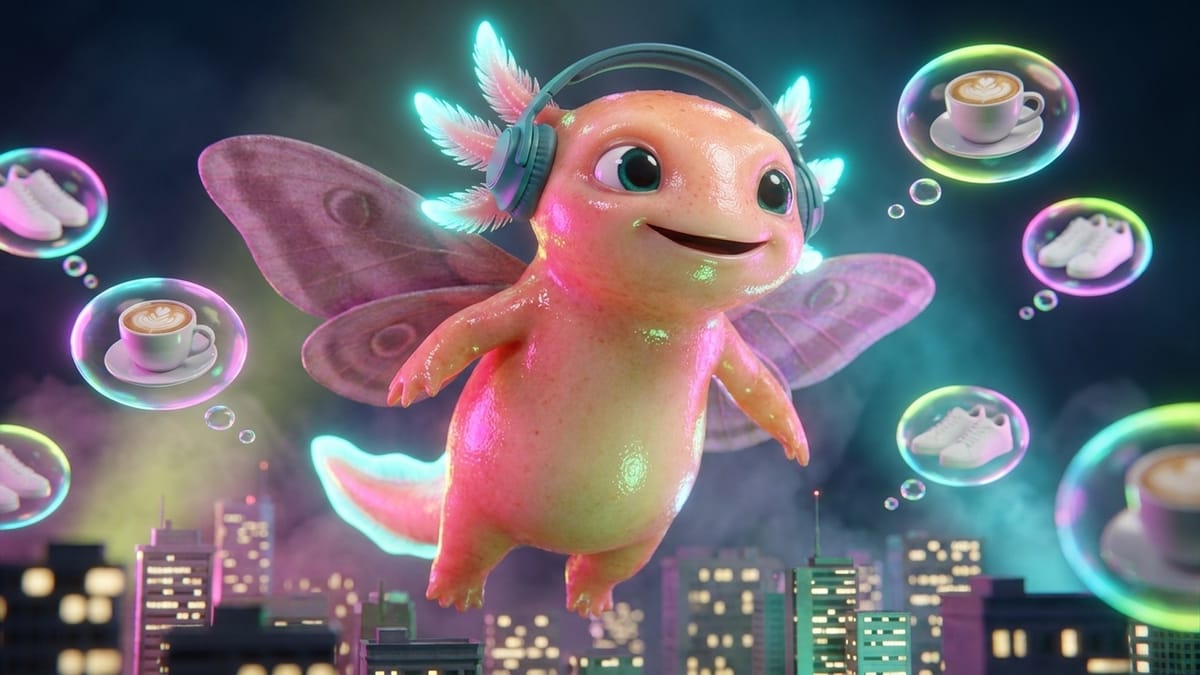
Gen alpha slang is a vocabulary driven by social media, online gaming, and meme culture among children born between 2010 and 20241, 2. The accompanying term "brainrot" is a humorous youth phrase describing highly absorbing, repetitive, and intentionally nonsensical internet content3. If you have heard your child shout these words across the living room and wondered if they were speaking a completely different language, you are completely normal.
We hear these phrases constantly. Many kids use these terms simply because they like the way the words feel and sound. It is goofy, it is confusing, and it moves at the speed of the internet. Before we look at the platform safety features and the actual science behind this media, here is a plainspoken translation guide to help you understand exactly what your kids are talking about.
For more on the broader cultural trend, check out our guide on What Does Brainrot Mean, and Is It Rotting My Kid's Brain?
The Dictionary: Decoding the Nonsense
Kids combine, remix, and shout these words at completely random times. Most of them have highly specific origins but have morphed into general playground terms.
- Sigma: This term describes someone who is cool, stoic, or a "lone wolf"3. It is generally used as a compliment for someone who does their own thing without caring what others think.
- Mewing: Originally a jawline exercise, this has turned into a physical gesture—usually putting a finger over the lips and pointing to the jaw—meaning "I can't talk, I'm being too cool"3.
- Rizz: Short for charisma, this refers to the ability to attract others or just being incredibly charming4.
- Gyat: Sometimes spelled gyatt, this is an exclamation expressing surprise or admiration, often used when someone sees something impressive4.
- 67: Also said as six seven, this is a recent nonsensical slang phrase originating from a rap song and NBA TikTok edits, used randomly as a punchline to a joke that doesn't really exist2. (Read more in our post: What Does 6-7 Mean? The Meme Your Kid Won't Stop Saying).
- Fanum tax: A slang term describing the playful act of stealing a portion of a friend's food, popularized by online streamers4. If you grab a handful of your kid's fries, you are collecting the Fanum tax.
Where Are They Hearing This? Platforms & Ratings
Kids are not inventing this vocabulary in a vacuum. They find these terms on short-form video and gaming platforms, primarily TikTok, YouTube Shorts, and Roblox3. Both TikTok and Roblox are free to download on tablets and smartphones, but Roblox requires monitoring for in-app purchases of its virtual currency, Robux5.
If you are handing over a device, it helps to know the baselines. TikTok carries a 12+ rating on the App Store or a Parental Guidance rating, but cybersecurity experts warn it is unsafe for children under 13 due to aggressive algorithmic engagement6. Roblox is rated E10+ by the ESRB, though its official user base ranges from age 5 to adulthood5, 7. If your family is getting started with gaming, our Roblox for Parents: The Complete iPad Field Guide walks through the initial setup.
Sensory & Neurodivergent Notes
For neurodivergent kids, slang often serves a deeper purpose than just trying to be funny. Repeating words, phrases, or sounds—known as echolalia or scripting—is a highly common and incredibly helpful way autistic kids sort information, process culture, and self-regulate. When a child repeats the same nonsensical meme phrase fifty times, they are often just enjoying the predictable sensory feedback of the sounds. Treating these special interests and communication styles as a strength makes a world of difference. It is not a bad habit to break; it is just how they play.
However, the media delivering this slang is another story. Brainrot AI content often features rapid edits, loud audio, cyclical loops, and autoplay features, creating extreme sensory overload for developing brains8. The viral Skibidi Toilet series, which fueled much of the current slang, features bizarre, sometimes unsettling imagery of heads singing from inside toilets that can frighten younger or sensory-sensitive children3. If you are trying to understand that specific phenomenon, read Steal a Brainrot: A Parent's Guide to Roblox's Weirdest Hit.
If the rapid-fire videos become too overwhelming and trigger dysregulation, transition routines are your best friend. Moving from a chaotic YouTube session to a slower, predictable activity helps reset the nervous system. We have great success swapping to a calm, focused interest—like checking out The Best Dinosaur Games for Kids: A Parent's Field Guide for a quieter gaming session.
The Science: Is It Actually Rotting Their Brains?
The term "brainrot" is a joke among kids, but researchers are taking the underlying media format seriously. Excessive exposure to short-form videos alters the developing brain's preference for rapid stimulation, manifesting in reduced vocabulary, broken sentences, and emotional flatness offline9. TikTok's feed relies on a variable ratio algorithm that delivers unpredictable psychological rewards, conditioning users and keeping them continuously overstimulated10.
This constant stream of stimulation has measurable effects. A 2025 psychological study found that adolescent BrainRot behavior is positively associated with experiential avoidance and negatively associated with subjective well-being11. Furthermore, rapid-fire, unchallenging content displaces the time needed for the brain to allocate attention to deep reading comprehension, contributing to modern literacy declines12.
Safety Updates and Parental Controls
Tech companies have made significant changes recently to address these concerns. If you have not checked your child's app settings in the past year, it is time for an update.
Roblox overhauled its safety tools, now requiring parents to create their own linked accounts to remotely manage their child's settings from their own devices5, 13. They replaced the old age-rating system for specific games with four "Content Labels": Minimal, Mild, Moderate, and Restricted5, 13. Strict age-based tiers were also introduced, including "Roblox Kids" for ages 5 to 8 and "Roblox Select" for ages 9 to 15, which default to disabling off-platform chat and heavily restricting in-game chat7. Through the linked account, parents can now remotely set daily screen-time limits, block specific individual games, and restrict monthly Robux spending limits7, 13.
TikTok has also updated its suite of tools. The app expanded "Creator Care Mode" and keyword filtering, enabling parents and users to automatically block specific slang, themes, or profanity from feeds and comments14. TikTok also enhanced its Family Pairing tools to allow stricter remote screen-time limits, Restricted Mode, and enforced limitations on Direct Messages for teen accounts15. However, cybersecurity experts warn TikTok's Family Pairing cannot monitor the actual content of direct messages or alert parents to grooming, making offline conversation and active supervision necessary6.
Lawmakers are stepping in as well. In July 2026, New York finalized strict regulations that take effect in January 2027, mandating age assurance, parental consent, and bans on addictive algorithmic feeds for minors on platforms like TikTok16.
A Quick Parent Checklist
Managing internet culture does not have to be a full-time job. Here are a few practical ways to keep things balanced:
- Review settings side-by-side. Sit down with your kid and walk through the Roblox Content Labels and TikTok Family Pairing settings together. It removes the mystery and establishes clear boundaries.
- Set physical boundaries for devices. Keep tablets and phones out of bedrooms overnight. Charging devices in the kitchen is an easy, non-negotiable routine that prevents late-night scrolling.
- Embrace the sorting phase. If your kid loves categorizing and collecting, lean into it. Sorting physical toys, trading cards, or minifigures provides the same satisfying dopamine hit as swiping through digital content, but without the chaotic algorithm.
- Use transition warnings. Short-form video platforms warp the sense of time. Give a five-minute and two-minute warning before turning off the screen to prevent a sudden crash in routine.
FAQ
Should I ban these slang words in my house?
In our experience, banning slang usually just makes it more appealing. Unless a word is actively harmful or mean-spirited, letting them say "skibidi" or "sigma" is just part of being a kid right now. It is often better to playfully lean into it—if you ask them to pay the Fanum tax at dinner, they will probably cringe and stop saying it around you anyway.
How do I know if the content is too scary?
Watch for physical cues. If your child is having nightmares, seems unusually jumpy, or covers their ears while watching, the sensory input is likely too high. AI-generated videos often hide jump scares in seemingly innocent thumbnails. Trust your gut; if the audio sounds frantic and chaotic to you, it is definitely overstimulating for them.
Is it okay if my kid just repeats these phrases over and over?
Yes. For many neurodivergent children, repeating phrases (scripting) is a comforting, regulating activity. They are taking a chaotic piece of internet culture and organizing it in their own mind. As long as it isn't disrupting their ability to engage with daily life, it is a perfectly valid way to play and communicate.
How do I keep up with new words?
You don't have to! The internet moves too fast for any parent to catch every single term. Instead of trying to memorize a dictionary, just ask your kid what a word means when they say it. They usually love being the expert and explaining their world to you.
Sources
- From “Rizz” to “Skibidi”: What Gen Alpha Slang Words Mean for Parents. findmykids.org
- Gen Alpha slang 2026: A guide for suaku parents. honeykidsasia.com
- Deciphering 'Brainrot': A Parent's Guide to Gen Alpha Slang and Viral Culture. screenwiseapp.com
- Millennial's Guide to Gen Alpha Slang Words: The Ultimate Glossary. pastory.app
- Roblox's Big 2026 Safety Reboot: A Parent's Cheat Sheet. screenwiseapp.com
- Is TikTok Safe for Kids in 2026? A Parent's Honest Guide. securityhero.io
- Roblox Safety Center - Safety Policies & Resources. roblox.com
- Brainrot AI: What Parents Need to Know. heyotto.app
- IPB University Expert Warns of Serious Impact of “Brainrot Anomaly” on Child and Adolescent Development. ipb.ac.id
- The Psychological Conditioning of Brainrot. fau.edu
- Parental marital conflict and adolescent BrainRot behavior : the chain mediation of experiential avoidance and subjective well-being. nih.gov
- Brainrot in Young Adults. exploringhealth.org
- Roblox Announces Updates to Safety Systems and Parental Controls. parentmap.com
- Restricted Mode. tiktok.com
- TikTok Safety Settings 2025. childrenofthedigitalage.org
- TikTok gave children placebo safety controls in undisclosed experiments, New York alleges. biometricupdate.com