Tralalero Tralala: The Shark in Sneakers, Explained
If your kid is obsessed with the tralalero tralala shark in sneakers, here is what parents need to know about the viral trend and its hidden meanings.
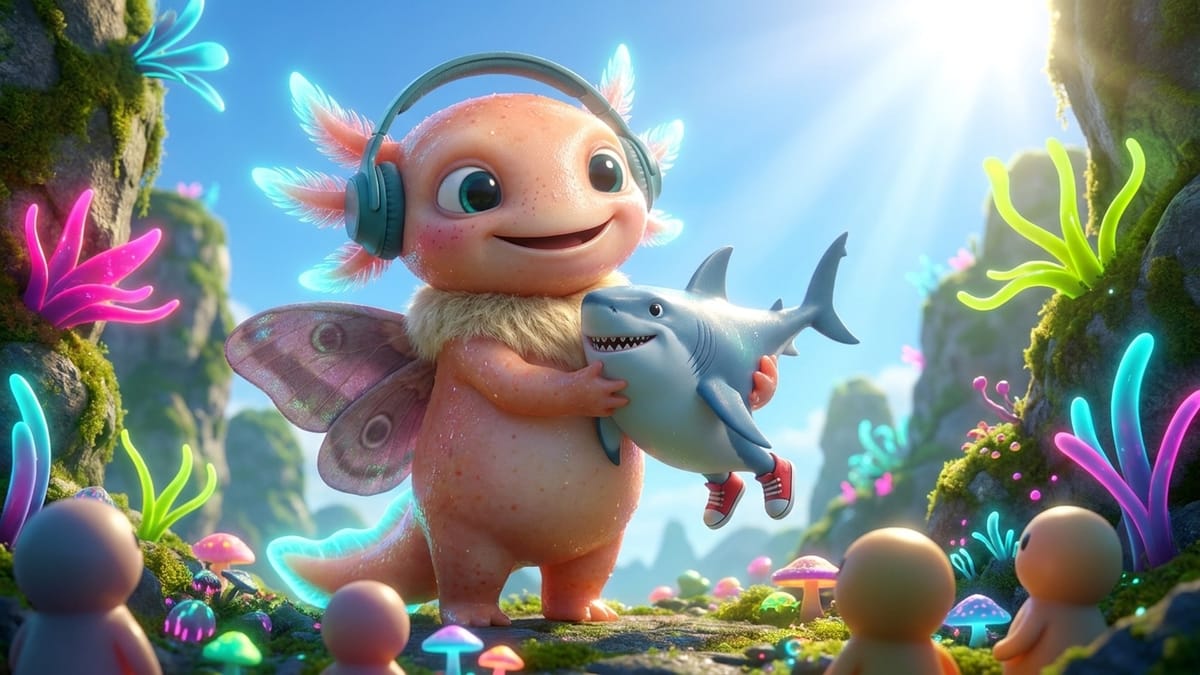
If you are hearing your kid chant tralalero tralala, they are referencing an AI-generated meme character from a viral TikTok trend that looks like a surreal shark with three human legs wearing Nike sneakers1. It is part of the "Italian brainrot" wave that took over the internet in early 20251. We are going to look at what this shark actually is, why schools are sending home warning letters, and how you can handle it without losing your mind.
What Exactly Is This Three-Legged Shark?
To understand this trend, you have to look at how internet culture moves today. The meme pairs absurd, AI-generated animal hybrids with a robotic text-to-speech voice narrating in Italian1. The rapid spread of this trend is driven by generative AI, which allows massive volumes of highly addictive content to be pushed to kids through algorithm-driven platforms2.
Because the character is AI-generated, the copyright status remains unsettled as of 2026, leading to widespread, unregulated use of the character across digital platforms1. Anyone can take the image of the shark and drop it into a YouTube video, a mobile game, or a social media post.
By 2025, this digital meme crossed into the physical world with Italian "Skifidol" trading cards and an official Panini sticker album1. For a kid who thrives on completing sets and organizing collections, this physical merchandise is highly appealing. Autistic kids often love categorizing and sorting objects. If your child loves organizing their physical toys, they might pivot from LEGO Minifigures for Parents: Collecting, Explained to begging for these sticker albums. Collecting is a fantastic strength, and leaning into their special interests helps build trust and shared joy.
Why Schools Are Sounding the Alarm
At first glance, the videos just look like harmless nonsense. A shark wearing sneakers seems goofy. But the audio tracks on the original viral videos hide some incredibly dark material. The viral audio features severe Catholic blasphemy, including the Italian phrase "porco Dio"3. It also contains anti-Muslim hate speech that sparked controversy and accusations of Islamophobia in 20253.
Because the text-to-speech voice sounds robotic and foreign, kids repeating the phrases usually have no idea what they are saying. However, schools have issued warnings to parents regarding the trend's hidden racist, misogynistic, and extreme roots4. Teachers are hearing kids shout these phrases during recess, and parents are receiving warning emails about the toxic audio layered underneath the silly animations.
International media and researchers, like China's Legal Daily, have even compared the unregulated targeting of this content to the dangerous "Elsagate" phenomenon1. Elsagate referred to inappropriate videos disguised as kid-friendly cartoons on YouTube. This new wave of AI content operates the same way, using bright colors and familiar formats to deliver toxic audio directly to children. It is a prime example of why we have to monitor what kids are absorbing online.
The Gameplay: What Are They Actually Doing on the iPad?
When kids download unofficial apps like "Italian Brainrot: Merge"5, they are usually playing very simple puzzle games. Merge games involve dragging identical objects together to create a new, upgraded item. For an autistic child, this type of predictable, cause-and-effect gameplay can be incredibly soothing. They know exactly what will happen when they combine two items, and that predictability feels safe and rewarding.
However, the downside is the monetization model. These unofficial free-to-play apps, including "Keepie Uppie Paddle Pong," monetize heavily through in-app advertisements and in-game currency5,6. Every time your child fails a level, they are usually prompted to watch a loud, flashy advertisement to continue. This constant interruption can be incredibly frustrating and might disrupt the calming effect of the puzzle. If your kid plays these, watch out for sneaky monetization tactics similar to those we cover in Robux Scams: The Tricks Kids Fall For and How to Spot Them.
Where Else Kids Are Playing It: Roblox, Fortnite, and Beyond
The shark does not just live on mobile puzzle games. There are independent PC and console games as well. "Tralalero Tralala Backrooms Pools" is rated ESRB E10+ and PEGI 77.
Over in Fortnite, the character shows up in user-generated Creative maps like "DUO BRAINROT PILLARS"8. In 2026, related characters Tung Tung Tung Sahur and Ballerina Cappuccina were even added as official Fortnite Battle Royale skins1. If your kid is accessing these characters through user-generated platforms, you will want to check out Roblox for Parents: The Complete iPad Field Guide to set up proper boundaries for online play.
Sensory & ND Notes
Let us talk about how this content intersects with neurodivergent play styles. Autistic kids often engage in echolalia, which means repeating catchy, rhythmic phrases. Chanting tralalero tralala is a totally valid, joyful way they communicate, process information, or self-soothe. Scripting and repetition are huge strengths. The robotic text-to-speech voice is highly distinct, and many autistic kids have a keen ear for unique sounds. They might mimic the pitch and cadence perfectly, which is a wonderful demonstration of their auditory processing strengths.
However, the digital content itself presents some significant sensory challenges. The original videos utilize generative AI to create uncanny valley effects, which can cause visual anxiety in younger kids1. The "uncanny valley" refers to things that look almost human but are just slightly off, creating a sense of unease. A shark with human legs wearing sneakers fits this perfectly.
Furthermore, the content is intentionally fast-paced, loud, and chaotic, which makes it hyper-stimulating to developing brains9. It has been noted that this can negatively impact attention spans9. The loud, looping audio and rapid visual cuts might be overwhelming for sensory-sensitive kids. The chaotic nature of this trend is a lot like the sensory overload we discussed in Skibidi Toilet: What Parents Actually Need to Know. If they enjoy a controlled fright, you can read Doors on Roblox: A Parent's Guide to the Jump-Scare Game instead of braving these unpredictable meme videos.
When it is time to turn off the iPad, transition tips are key. Because this content is designed to be highly addictive, shutting it down abruptly can cause dysregulation. Give a clear five-minute warning, use a visual timer, and transition to a low-demand physical activity like sorting their sticker album or lining up their favorite toys.
Quick Parent Checklist
Here is how you can manage the shark in sneakers without turning your house into a battleground:
- Keep the conversation open: Cybersecurity experts recommend addressing this content through open dialogue and setting digital boundaries rather than implementing strict bans2.
- Co-watch occasionally: Sit with them for a few minutes while they scroll. You do not need to hover, but listening to the audio will tell you if they have stumbled into the toxic source material.
FAQs
Is the shark game safe for my kid?
The standalone mobile puzzle games are generally just ad-heavy distractions, but the underlying meme videos contain severe profanity and hate speech3. You have to separate the harmless puzzle apps from the toxic source material. Stick to offline games when possible to limit exposure to unpredictable video ads.
Why is my child repeating this phrase constantly?
For autistic kids, repeating a catchy phrase is a natural way to process information, self-soothe, or simply experience joy. The issue is not the repetition itself. The concern is the inappropriate source material they might find while searching for the phrase online. Encourage their verbal play while guiding their digital searches.
Sources
- Italian brainrot. wikipedia.org
- Brainrot: What it means and parent guide. eset.com
- Parents Shocked by Italian Brainrot Translations. strommeninc.com
- Italian Brainrot - Some Guidance and Background. parkdale-primary.co.uk
- Italian Brainrot: Merge. apple.com
- Keepie Uppie Paddle Pong. google.com
- GameDB Browse Games. lizardbyte.dev
- DUO BRAINROT PILLARS. fchq.io
- Italian Brain Rot Is Destroying Kids. substack.com