LEGO Speed Champions: A Guide for Car-Loving Kids
Everything parents need to know about the realistic, minifigure-scale race cars that will turn your kid's bookshelf into a high-performance garage.
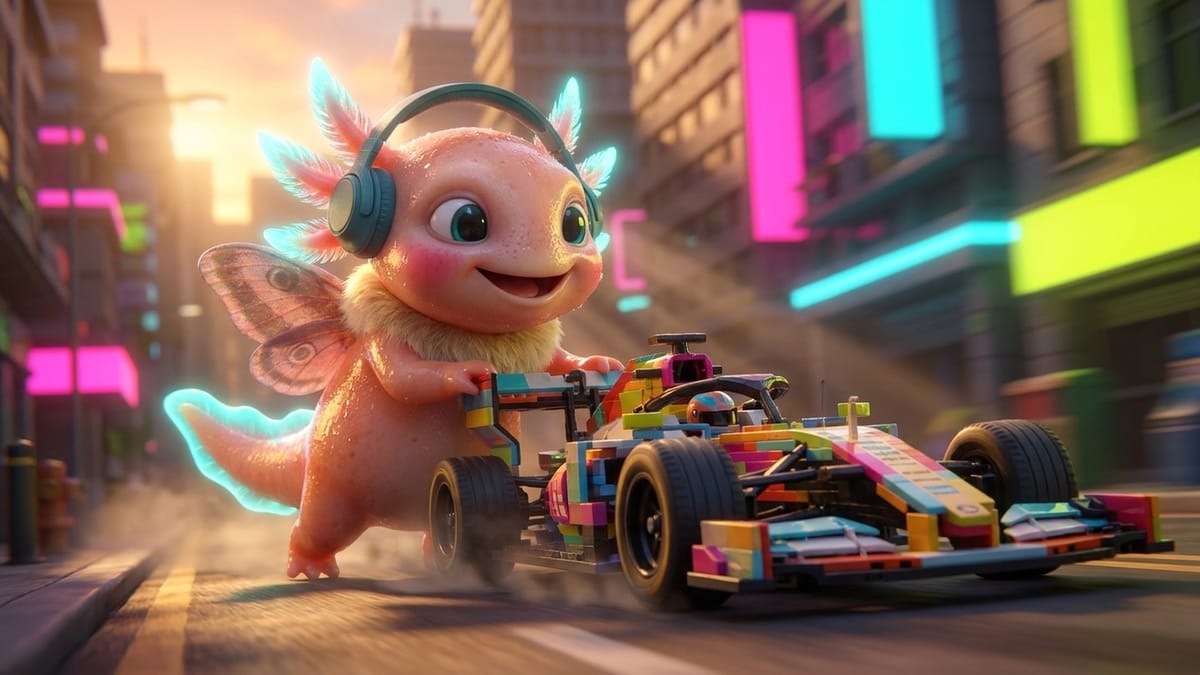
What is lego speed champions? It is a physical building theme featuring realistic, minifigure-scale cars from iconic brands like McLaren, Porsche, and Ferrari1. These sets include customizable authentic details, replacement hub caps, and driver minifigures in full racing gear1. If your kid is obsessed with cars, this lineup provides a fantastic way to build a high-performance garage on their bedroom shelf.
If you are new to the tiny plastic people that drive these cars, our guide to LEGO Minifigures for Parents: Collecting, Explained is a great starting point.
The 2026 Starting Line: What's New and What's Retiring
Keeping up with toy releases can feel like a full-time job. The standard retail price for a single-car set in 2026 sits between $27.99 and $29.992. If you are looking at the two-car double packs, like the Jaguar Project 7 and Land Rover Defender, those retail for approximately $59.992.
There are some exciting additions to the grid this year. Six new sets debuted in January 2026, adding massive pop-culture icons like the DeLorean Time Machine and a Bugatti Vision Gran Turismo3. It is always fun when a toy appeals to our own nostalgia while giving the kids something cool to build. The 2026 lineup also introduced the Audi Revolut F1 Team R26 Race Car, which was specifically designed to reflect real-world Formula 1 regulation changes for the new season4.
If you are hunting for a bargain, timing is on your side. The expansive 2025 Formula 1 wave is officially retiring, with many of those sets actively being discounted by late 20262. These clearance deals are dropping average prices to about $22, making it a great time to stock up for upcoming birthdays or holidays2. And if your kid loves populating their grandstands, check out LEGO Minifigures Series 30: What Parents Should Know to see who else they can add to the track.
Age Ratings and the Build Experience
These kits are more complex than the chunky blocks your kids might have played with as toddlers. Physical sets in this theme are rated for ages 9+ or 10+, reflecting the fine motor dexterity required for these complex builds4,5.
Safety is straightforward but crucial: all sets carry a strict choking hazard warning, as the small parts are highly dangerous for children under 3 years old6. Even for older kids, parents are advised to supervise younger builders, as losing microscopic pieces during the build can cause intense frustration7,8. I highly recommend building on a rimmed baking sheet or a dedicated tray to keep those tiny exhaust pipes and steering wheels from vanishing into the carpet.
If your child is getting easily frustrated by the microscopic parts, it might be worth taking a step back. You can check out LEGO City Sets: The Best Starter Line for Young Builders for options that require a bit less precision.
Sensory & ND Notes
This line is wonderfully neurodivergent-affirming, especially for kids who thrive on structure and predictability. There is absolutely no scary content in these physical kits; sensory elements are limited to the satisfying tactile friction of clicking hard plastic bricks together7. The completed models are simple push-along vehicles; they are not motorized and do not require batteries9,10. This means no loud engine noises, no flashing lights, and no jump scares: just quiet, focused play.
Autistic kids often engage with toys in beautifully systematic ways. You might see your child meticulously collecting and sorting the pieces by color before they even open the manual, or deeply focusing on the repetition of lining up the finished cars in a perfect grid. Some kids love scripting race commentary, repeating phrases they have heard in videos while rolling the cars across the floor. Treat these play patterns as the strengths they are.
Because building requires intense concentration, sudden transitions can be jarring. Give your kid a clear, visual five-minute warning before they need to stop for dinner or bedtime, allowing them to finish the specific step they are on.
Digital Racing: Console and iPad Options
If your kid wants to take their favorite brick cars onto a screen, there are several ways to do it. The cars are playable in "LEGO 2K Drive," an open-world racing video game released for PC, PlayStation, Xbox, and Nintendo Switch11,12.
Before you hand over the controller, know that LEGO 2K Drive is rated ESRB E10+ (Everyone 10+) due to mild cartoon violence and chaotic vehicle combat12. It features a great, safe split-screen co-op mode for playing together on the couch. However, if they are playing online, parents should absolutely utilize console controls to disable voice chat in multiplayer modes to prevent unmoderated chat with strangers13.
Older gamers might also enjoy the dedicated DLC expansion for this theme in the game "Forza Horizon 4," which holds an ESRB E (Everyone) rating14,15.
For kids who primarily game on an Apple tablet, options look a little different. While no dedicated iPad game exists for this specific car theme, the official app provides interactive 3D instructions for building the physical sets4. We wrote a whole guide on The LEGO Builder App: Digital Instructions for Kids if you want to see how that works. iPad users seeking digital brick combat can also play "LEGO Brawls" on Apple Arcade, which is rated 9+ on the App Store16. If they are spending a lot of time on other platforms, our guide to Roblox for Parents: The Complete iPad Field Guide is a must-read.
The Brain Benefits: Why We Love the Bricks
It is always a win when a toy actually supports cognitive development. Playing with physical sets is causally linked to improved spatial reasoning and mathematical competence17. The University of Surrey’s SPACE programme even proved that structured building exercises significantly boost spatial thinking and math skills in classrooms18.
Following sequential, step-by-step instructions builds early algorithmic thinking and problem-solving abilities7,19. It teaches kids that complex problems can be broken down into manageable, predictable steps. Physically assembling the small 3D bricks also enhances fine motor control, supporting the real-world dexterity needed for things like writing and self-care7,20.
Interestingly, Johns Hopkins University research notes that "master builder" kids who play heavily with blocks approach spatial problems with more deliberate, structured strategies21. So, while they think they are just building a cool race car, they are actually training their brains to tackle real-world engineering problems.
Parent Checklist: Hitting the Track
- Contain the Pieces: Use a shallow tray or baking sheet during the build to keep tiny hub caps from rolling away.
- Hunt for Clearance: Check the toy aisles for the retiring 2025 Formula 1 wave to score a discount.
- Manage the Multiplayer: If they are playing 2K Drive on a console, check your family settings to disable online voice chat.
- Download the App: Use the official app for 3D instructions, which can be a game-saver if the paper manual gets torn or lost.
- Plan for Transitions: Give a five-minute warning before making them stop building to prevent a meltdown.
Frequently Asked Questions
Do these cars require batteries or remote controls?
No. Completed models are simple push-along vehicles; they are not motorized and do not require batteries9,10. They are completely powered by imagination.
How much do the sets typically cost?
The standard retail price for a single-car set in 2026 is between $27.99 and $29.992. Two-car double packs retail for approximately $59.992. You can often find older, retiring sets discounted to about $222.
Are these sets safe for toddlers?
Absolutely not. All sets carry a strict choking hazard warning, making the small parts highly dangerous for children under 3 years old6. Keep these away from younger siblings who still put things in their mouths.
What age is this theme recommended for?
Physical sets in this lineup are rated for ages 9+ or 10+, reflecting the fine motor dexterity required for complex builds4,5.
Sources
- LEGO® Speed Champions Toys | Official LEGO® Shop US. lego.com
- All Lego® Speed Champions sets 2026: prices, deals, retiring - Brickfact. brickfact.com
- LEGO Speed Champions January 2026 Sets Officially Revealed - Bricks Up. bricksup.co.uk
- Audi Revolut F1® Team R26 Race Car 77259 | Speed Champions | Buy online at the Official LEGO® Shop US. lego.com
- New LEGO® Speed Champions Sets for 2026. lego.com
- LEGO® Speed Champions Aston Martin Aramco F1® AMR24 Race Car Vehicle Set 77245. michaels.com
- Unconventional Benefits of Lego for Child Development - Children's Choice. childrens-choice.com.au
- LEGO® Speed Champions: Ultimate Formula 1 Collector's Pack (66802) - eBay. ebay.com
- Toy Car Buyer's Guide 2026: Avoid These 3 Costly Mistakes | Joybuy. joybuy.fr
- LEGO Speed Champions Race Cars: How to Choose the Best Model | Joybuy. joybuy.de
- LEGO 2K Drive - About Us - LEGO.com. lego.com
- Everything You Need to Know Before LEGO® 2K Drive Releases Next Week. 2k.com
- Is LEGO 2K Drive Good for Kids? Parent Guide & Age Rating | CoPlayConnect. coplayconnect.com
- Forza Horizon 4 Lego Speed Champions: Everything you need to know - Windows Central. windowscentral.com
- TGDB - Browse - Game - Forza Horizon 4 - TheGamesDB. thegamesdb.net
- LEGO® Brawls - App Store - Apple. apple.com
- Assessing the impact of LEGO® construction training on spatial and mathematical skills. nih.gov
- LEGO improves maths and spatial ability in the classroom | University of Surrey. surrey.ac.uk
- Ultimate Same-Day Boy Gift Guide for HK Parents: Age-Specific Picks & Verified Local Stock Tips - Taobao. taobao.com
- Building development skills with LEGO - Diversity In Toys. diversityintoys.com
- How Legos and blocks help make your child smarter - JHU Hub. jhu.edu